
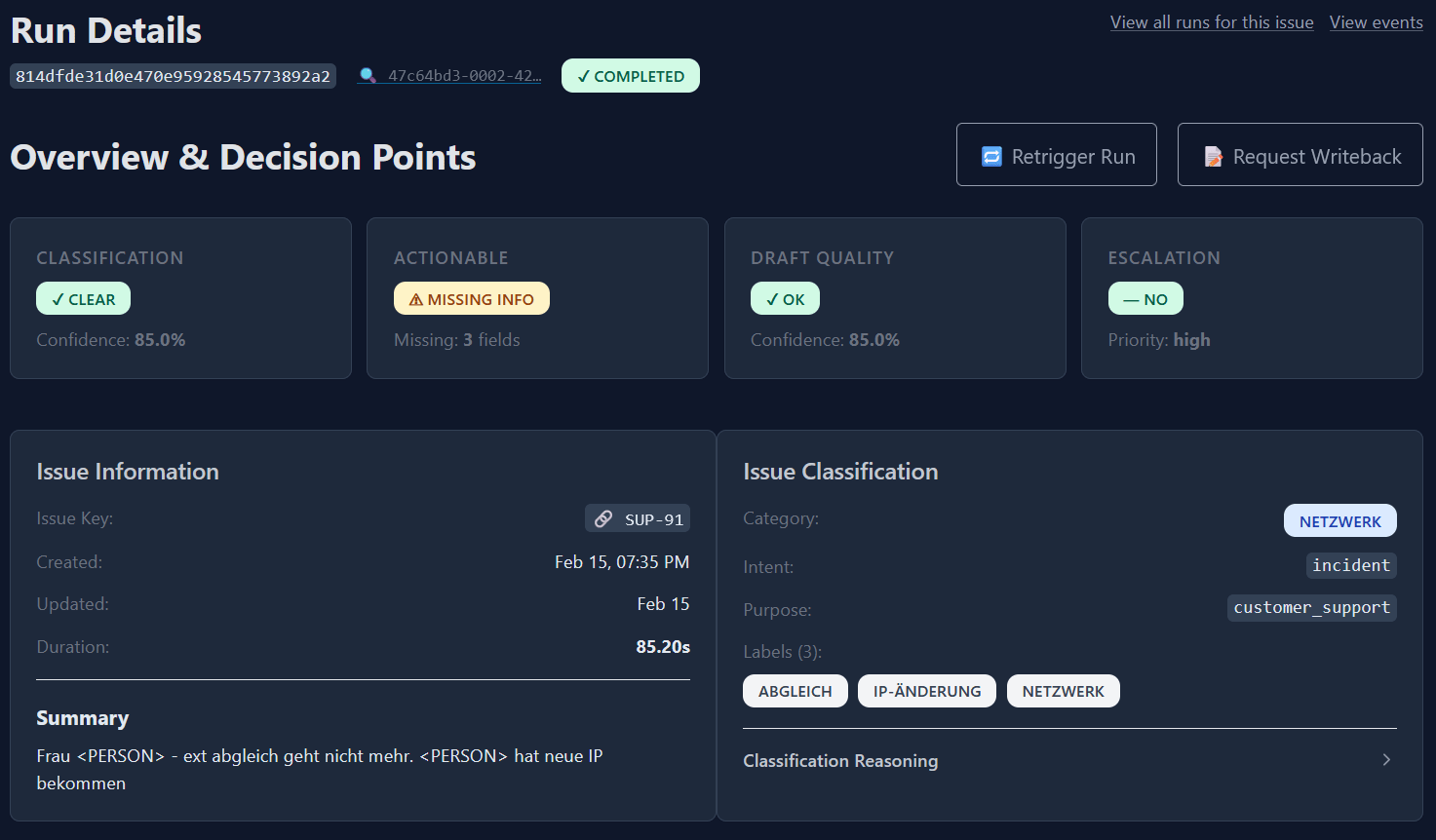
For knowledge-dense service teams where complex technical cases keep landing on the same senior people
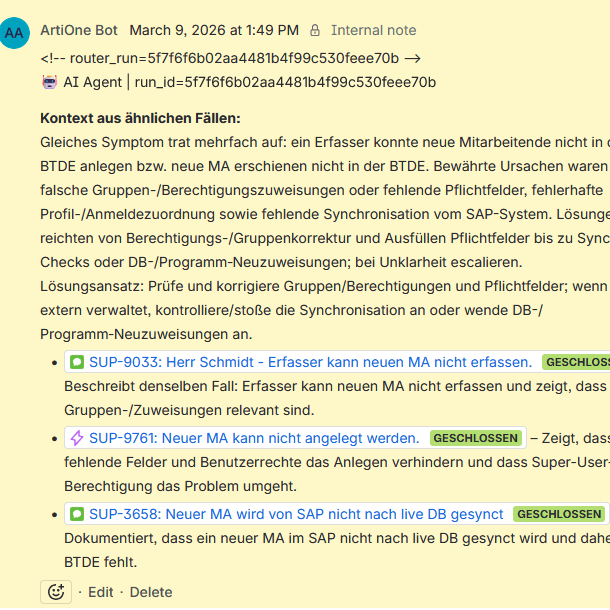
A new ticket arrives in Jira. Here’s what Dirk sees.
Dirk is a junior support engineer. Before arti, this ticket would mean an hour of digging — searching past tickets, asking Markus the senior engineer, hunting through Confluence for an old workaround. With arti, the ticket arrives prepared: the likely classification, the missing information, three similar cases from the last 18 months with their resolutions, the most likely owner, and a suggested next step. Dirk reads the brief, agrees with one piece, corrects another, and acts in 10 minutes instead of an hour.
Markus gets his afternoon back.
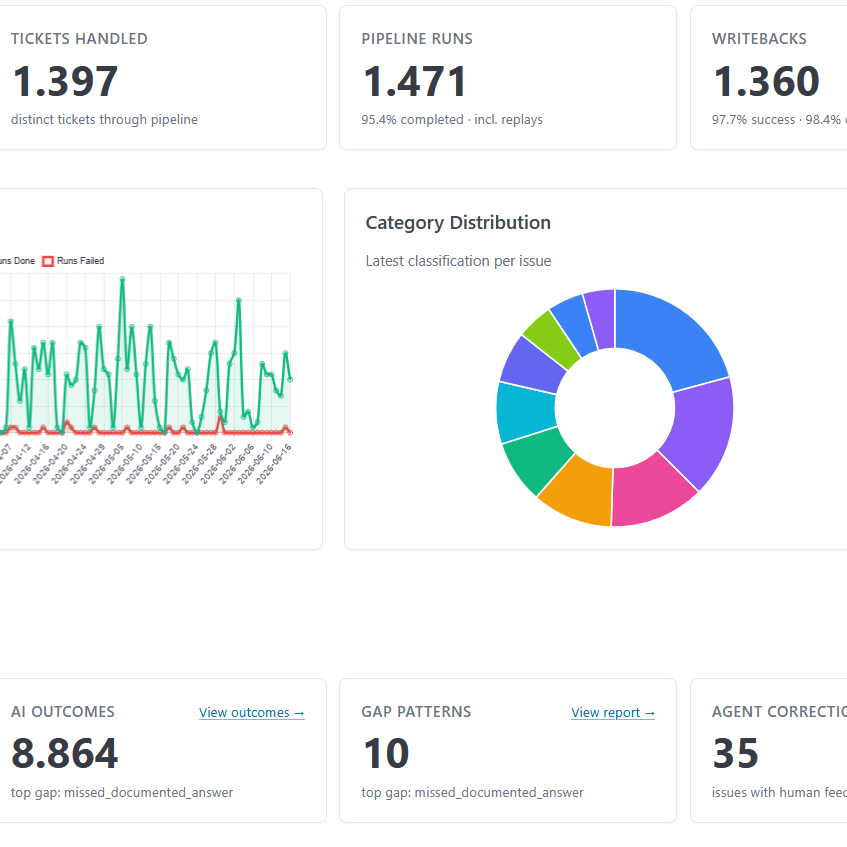
Marc sees where his team keeps getting stuck.
Marc is the head of development & professional service. Before arti, he managed by anecdote — whichever escalation landed on his desk that week shaped his sense of where the team was struggling. With arti, Marc sees the actual pattern: which categories of issue keep coming back, where the team is correcting arti’s routing, which Confluence pages are out of date, which playbooks have gaps, and which engineers are absorbing disproportionate load.
He stops firefighting individual tickets.
He starts fixing the patterns underneath them.
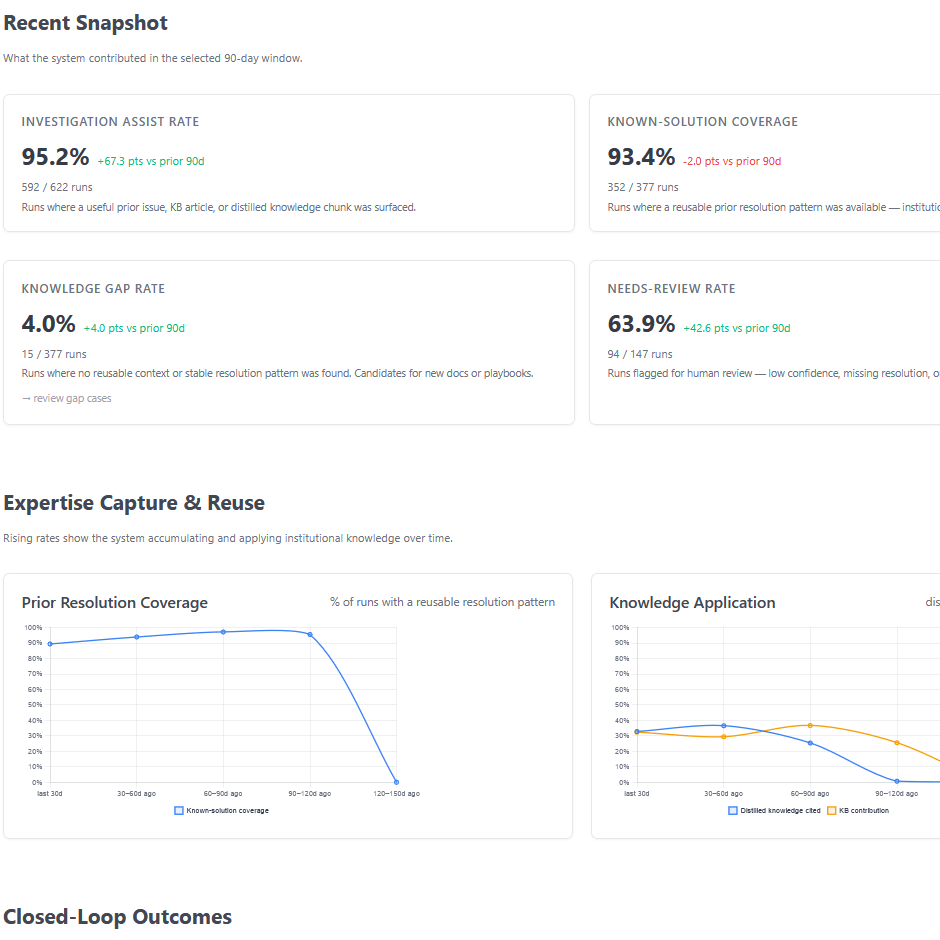
Stefan watches expertise compound instead of leak.
Stefan is the CTO. His real concern was never ticket throughput — it was that the company’s hardest-won technical knowledge lived in three engineers’ heads and walked out the door every time someone left. With arti, every resolved case, expert correction, and routing decision becomes part of an operational knowledge base the company owns. Onboarding compresses from months to weeks. New hires act with context that used to take years to acquire.
The knowledge stays. Even when the people don’t.
Your data stays yours.
arti doesn’t train its models on your tickets, documents, or expert decisions. The playbooks, the classifications, the operational memory that accumulates from running arti, it belongs to your company. We help you build it, you own it.
Your senior experts have a solution reuse problem, not a workload problem.
Every complex case they solve lives in their head, in a closed ticket, or in a Slack thread no one reads again.
Most time isn’t spent solving problems.
It’s spent rebuilding the context to solve them, again.
That cost is invisible.
And it’s why the same handful of people end up carrying everything.
Arti prepares the decision before the human gets involved.
When a request comes in, Arti doesn’t just route it.
It reconstructs the situation:
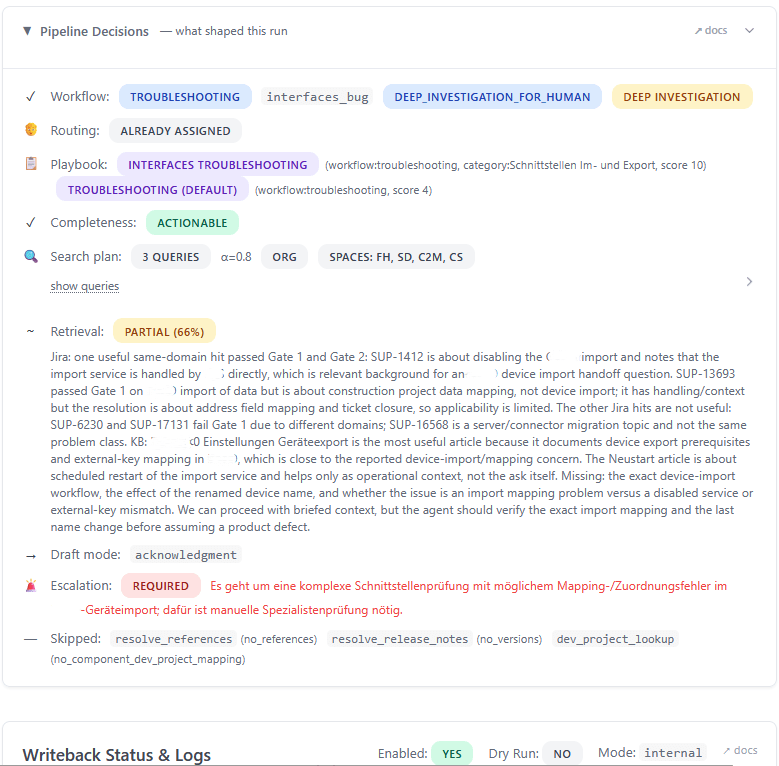
Experts receive prepared cases, not puzzles.
The result:
A decision-ready case, not a vague request.
So instead of:
“I need to ask someone”
Your team sees:
“Here is the situation. Here are the options. Act.”
Why what you’ve already tried hasn’t worked.
Most tools fail because they ignore these three gaps in operational knowledge:
You didn’t buy the wrong tool.
You bought the right tool for the wrong problem.
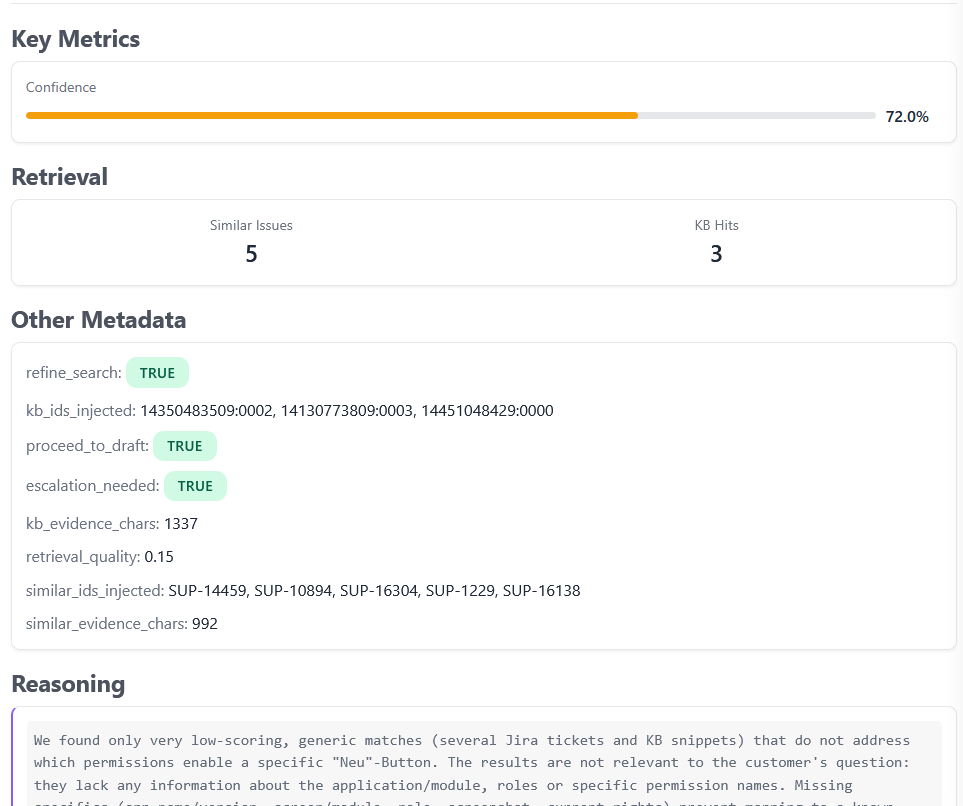
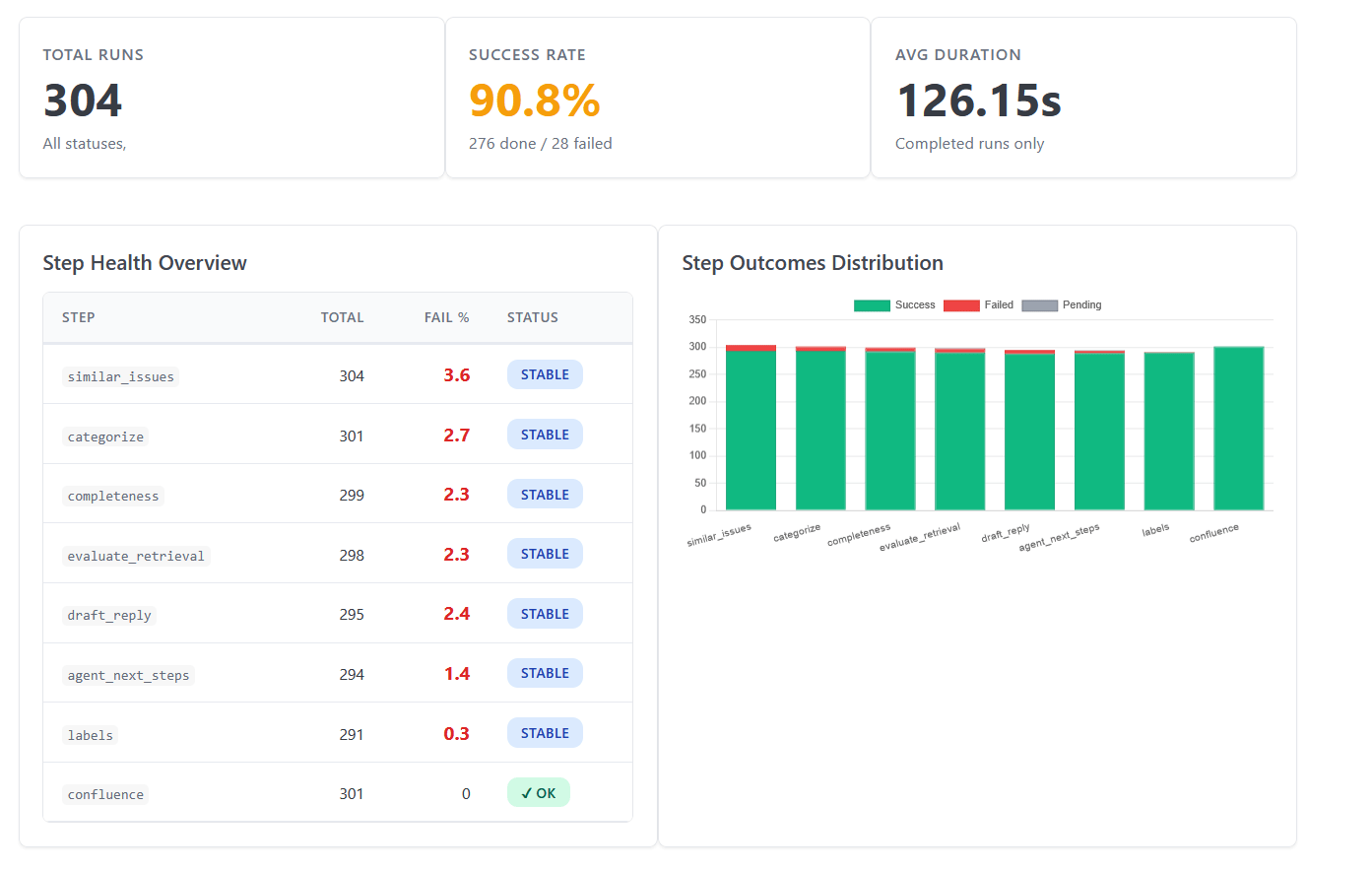
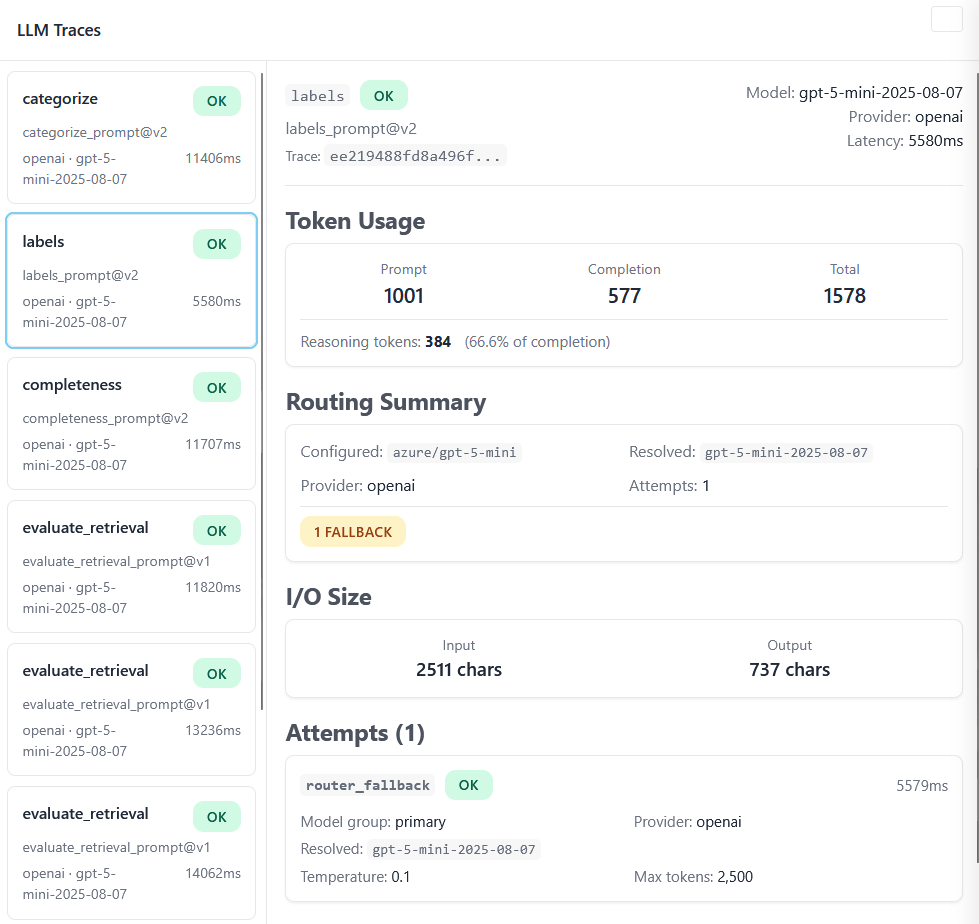
What Our Customers Discovered in Their Friction Audit
We went from 85% dark data to 72% structured coverage in 2 weeks. It’s now powering automated routing, smarter onboarding, and freeing up experts to focus on solving — not sorting — problems.
We thought our bottleneck was process complexity — turns out one engineer was resolving 88% of all module issues. The audit exposed a single-point-of-failure risk we didn’t see.
Arti surfaced recurring SAP export errors tied to a misconfigured integration. Fixing that single root cause eliminated hundreds of monthly incidents.
Our request labels were chaos — dozens of inconsistent components and tags. Artiquare helped us rebuild a clean taxonomy, which now drives smarter routing, clearer ownership, and faster onboarding.
Selected and supported by



Your service operation becomes a product signal engine.
Recurring incidents, workarounds, and escalations reveal what customers actually struggle with, not what surveys say.
Arti surfaces patterns early, before they become churn, outages, or roadmap surprises.
Find out where work is stalling, and what it’s costing you.
The Friction Audit is a 2-week diagnostic:
✔ Identify bottlenecks and hidden work
✔ Quantify delays and expert dependency
✔ Reveal repetitive issues that can be automated
✔ Deliver actionable findings
Most teams discover issues they didn’t know existed.